
Video instruction
Text instruction
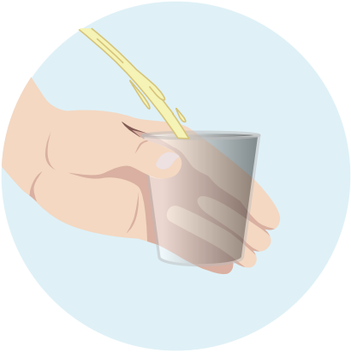
Option 1: Using a Cup
Bring the sealed pouch to room temperature (15–30 °C) before opening. Remove the test from the pouch and use it within one hour.
Collect urine in a clean, dry cup.
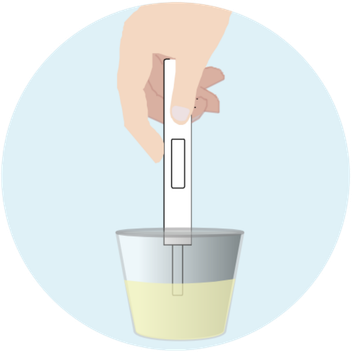
Remove the cap of the device. Place the head of sponge (≥2/3) into urine sample in a clean cup for at least 15 seconds.
Note: Do not urinate on the result window and do not dip the sample in the cup if you're using one.
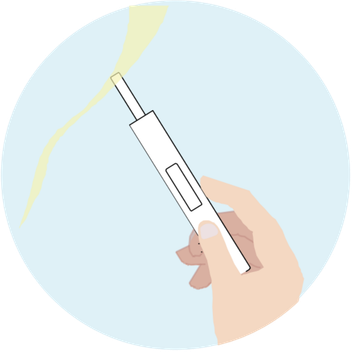
Option 2: Urinate on stick
Bring the sealed pouch to room temperature (15–30 °C) before opening. Remove the test from the pouch and use it within one hour.
Remove the cap of the device.
Hold the test by the thumb grip with the absorbent tip pointing downward directly into the urine stream for at least 15 seconds until it is thoroughly wet.
Step 3
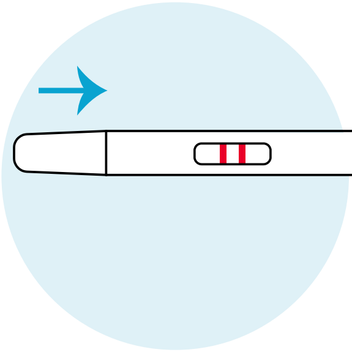
Put the cap back over the absorbent tip, then place the test on a flat surface with the result window facing upward.
Start a timer for three minutes.
Step 4
Read the result after 3 minutes. If no result appears, wait one more minute. Do not read the result after 10 minutes.
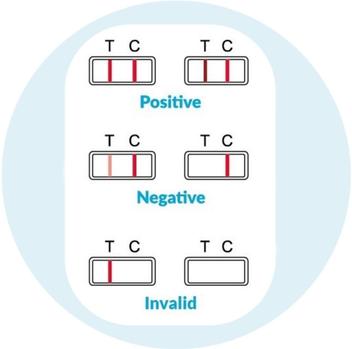
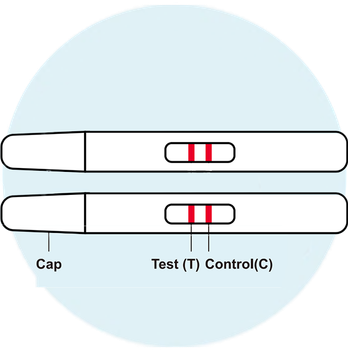
Interpret results.
For individuals with perimenopausal symptoms and irregular menstrual cycles:
If both tests are positive, you are most likely in perimenopause. It is recommended to discuss possible support options, and you should not immediately discontinue contraception.
If one test is positive and the other is negative, this may indicate early stages of perimenopause. You should not immediately discontinue contraception.
If both tests are negative, you are most likely not experiencing perimenopause during this cycle. If symptoms persist, consider repeating the test next month or exploring other possible causes.
For individuals with menopausal symptoms and no menstrual cycle for the past 12 months:
If the test is positive, menopause has most likely occurred.
The test can be repeated if needed, and you may consider discussing appropriate health support options.